
Restaurant marketing that fills tables on slow nights
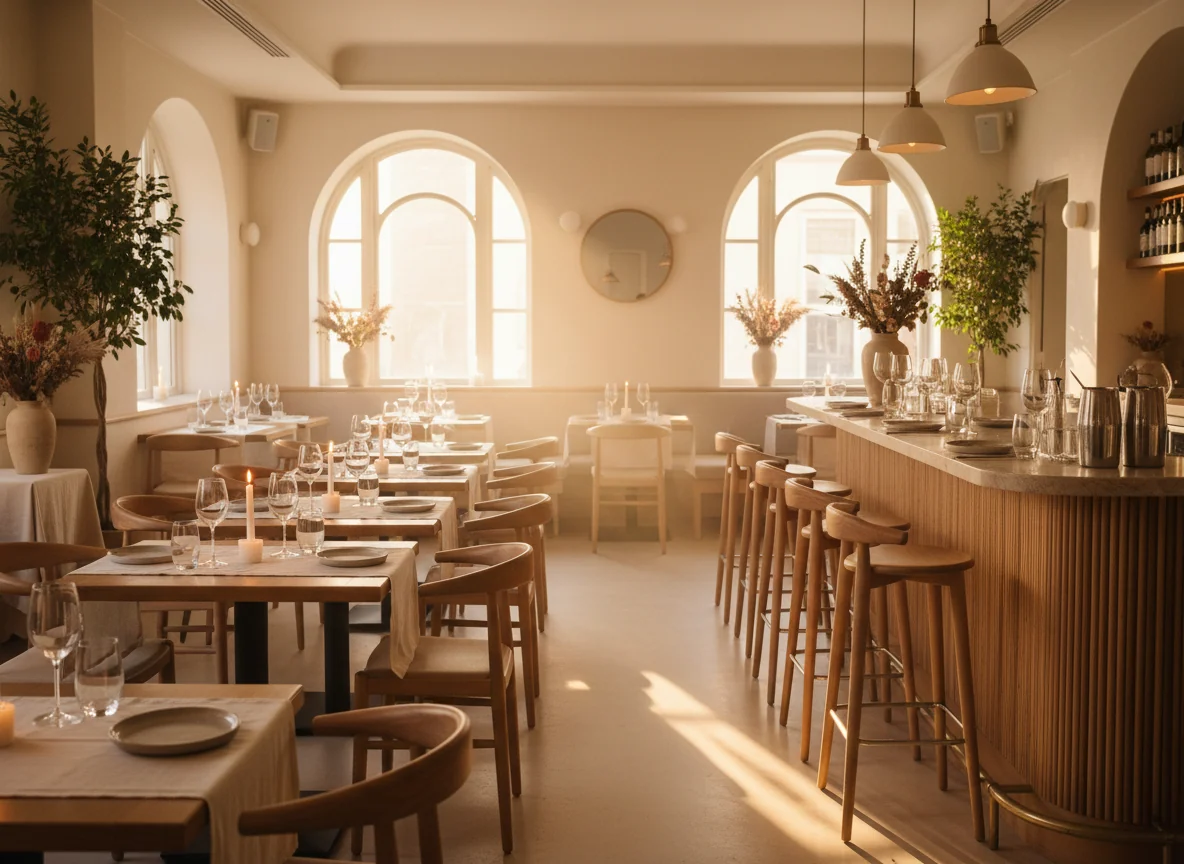
It's a Tuesday in February and the dining room is two-thirds empty by 7. The reflex is to cut the price until someone walks in. Hold on — a slow night is a quiet-marketing problem, not a pricing one, and the honest fix doesn't have to touch your margin.
The discount spiral
Running 30% off every Tuesday feels like doing something. It is — it's just doing it in the wrong direction. The first week works. By the fourth, your regulars have learned the rule: Tuesday is the cheap night. So they stop coming on Friday at full price and wait for the markdown you've promised them. You didn't fill a slow night. You moved a good night onto it and gave away the difference.
The discount also lands where you can least afford it. Tuesday already carries the thinnest margin of your week, and a markdown cuts straight into it with the least volume to spread the loss across. Meanwhile a half-empty room with a discount sign in the window tells everyone walking past exactly one thing — that nobody much wants to be here tonight.
None of this makes discounts bad. A discount is a tool — sharp, useful, pointed at one reason with an end date. A standing weekly markdown is something else. It becomes a strategy by default, and it's the one that quietly trains your customers and thins your kitchen. Reach for the tool when you have a reason. Don't let it become the plan.
Give Tuesday its own reason
A weak night doesn't need a lower price. It needs a reason to exist that isn't about price at all. Say you run a small neighborhood trattoria — illustrative, but it'll do the job. Instead of "Tuesdays, 30% off," Tuesday becomes the night something happens that the other six don't.
A few reasons that cost almost nothing to run:
- A chef's one-night dish — something off-menu the kitchen actually wants to cook.
- "What we're testing for the new menu" — let the room taste it before anyone else.
- A guess-the-spice game in your stories, with the answer served at dinner.
- An early family hour, before the later seating fills in.
The mechanism matters more than the specific idea. A reason gives you something to post about, and the post gives people a reason to show up. A price cut gives you neither — there's nothing left to say about it after the first week, and "still cheap on Tuesdays" was never much of a story.
Plan the work — then review what goes out
You don't have time to post every day — and you don't have to. Choose your topics, tone and cadence, then review the work SmashOne prepares before it publishes. For a single Tuesday reason, three posts carry it: announce on Monday, remind on Tuesday afternoon when people are deciding, and post a photo of the room on Tuesday evening while it's happening.
Add the series to the plan — up to 5 auto-posts and 5 quick posts a day per business; publishing to every connected channel is included — so a busy week never depends on you remembering at 4 PM. Pull a carousel straight from your menu catalog instead of shooting something new every time. Keep one tone on Facebook and Instagram, and run a shorter version on Telegram, where people want the plan, not the prose.

Catch the 6 PM questions
The "where should we go tonight" decision gets made between 5 and 7, and a lot of it happens in your DMs. "Table for four tonight? Until when's the kitchen open?" If that question sits unread for an hour, the table booked somewhere that answered.
An AI employee answers those the moment they land, drawing from your FAQ and catalog — 1,000 replies a month, total, and every reply carries a notice that it's automated. It handles the simple, repeated questions instantly, and passes the bookings and the odd special request straight to you. The room stays the part you run; the typing is the part you hand off.
Measure by the room, not by likes
Here's the honest part. The reason you gave Tuesday is working if the room is fuller a month from now — tables filled on a Tuesday, not likes on the announcement. Likes feel like progress and cost nothing to collect. An empty Tuesday with 200 likes is still an empty Tuesday.

So watch the tables, give a new reason three or four weeks to land, and judge it on seats. If it didn't move the room, change the reason — a different dish, a different hour, a different game. Change the reason, not the price. The price was never the problem on a slow night. The silence was.
Give your quiet nights a voice.
7-day free trial on your first hire. Hire here. Set it up in the chat you already use.
Hiring a person costs thousands a month. Your first AI employee costs a fraction of that.
More marketing ideas
- Marketing ideas
- Marketing ideas
- Marketing ideas
